
There’s something undeniably comforting about homemade Lebanese Pita Bread, especially when that warm aroma fills your kitchen. Picture the moment you take your first bite into a soft, chewy pocket; it’s like a hug for your taste buds. I found myself experimenting in the kitchen one afternoon, tired of store-bought bread that often lacked character and freshness. As I mixed flour, water, and a hint of olive oil, excitement bubbled up—would this be the answer to my bread cravings?
This easy recipe transforms simple ingredients into delightful, puffy pitas with beautiful pockets, perfect for stuffing with your favorite fillings or serving alongside a spread of dips. Whether you opt for the traditional version or add a touch of whole wheat for extra flavor, each bite is a celebration of Middle Eastern culinary tradition. Let’s knead our way to homemade perfection and discover how satisfying it is to create something so beloved right in your own kitchen!
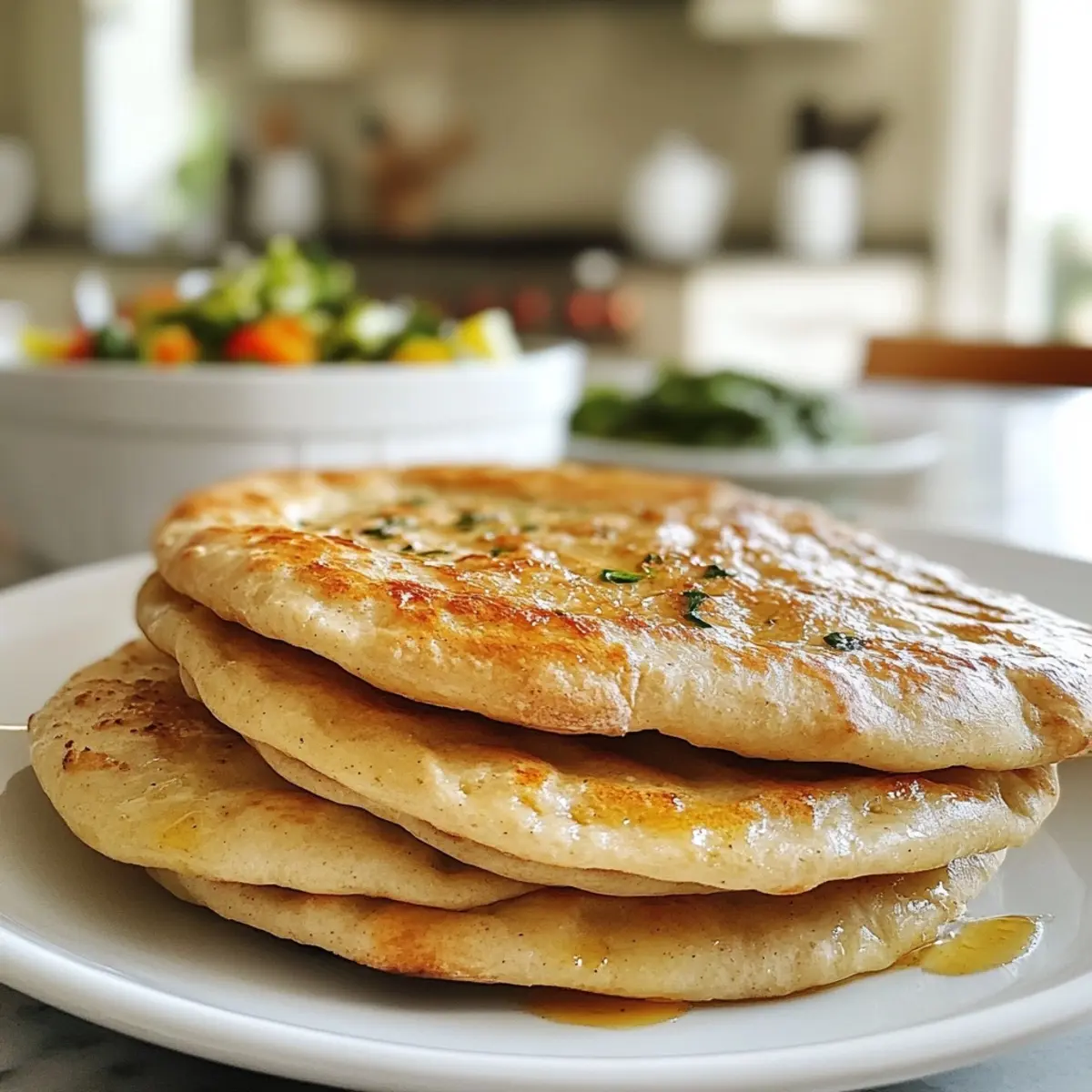
Why is Lebanese Pita Bread a Must-Try?
Comforting Aroma: The moment your pita bread puffs up on the skillet, your kitchen will be filled with an irresistible aroma that’s sure to draw everyone in.
Easy Preparation: With minimal ingredients and straightforward steps, this recipe makes baking a breeze, even for beginners!
Versatile Snack: Perfect for dipping into your favorite hummus or stuffing with delicious fillings, it pairs beautifully with a variety of dishes.
Healthy Twist: Try using whole wheat flour for a nutty flavor and added fiber, giving this traditional bread a nutritious spin.
Crowd-Pleasing: Whether it’s a family gathering or a casual dinner with friends, homemade pita bread is always a hit. So why not serve it alongside your favorite dips, like hummus, for an unforgettable experience?
Lebanese Pita Bread Ingredients
• Here are the essential ingredients you’ll need to make this delicious bread!
For the Dough
- Active Dry Yeast – Vital for leavening the dough; you can substitute with an equal amount of instant yeast to skip the activation step.
- Sugar – Provides nourishment for the yeast and a hint of sweetness; can be omitted for a completely savory version.
- Warm Water – Activates the yeast; ensure it’s between 100°F to 110°F for the best results.
- All-Purpose Flour – The main structure component for a soft texture; you can swap up to half with whole wheat flour for added flavor and fiber.
- Salt – Enhances flavor and strengthens the dough structure; reduce if you’re watching your sodium intake.
- Olive Oil – Adds richness and moisture; can be replaced with melted butter or a mild oil for different tastes.
For Serving
- Your Favorite Dips – Pair these lovely homemade Lebanese pita breads with delicious dips like hummus or tzatziki for a delightful experience!
How to Make Lebanese Pita Bread
- Activate Yeast: In a large mixing bowl, combine warm water, sugar, and yeast. Allow it to sit for about 5-10 minutes until frothy, signaling that the yeast is alive and kicking!
- Mix Ingredients: Begin adding all-purpose flour, salt, and olive oil to the bowl. Stir until it all comes together into a cohesive dough that’s slightly sticky.
- Knead Dough: Turn the dough out onto a floured surface and knead it for about 8-10 minutes. Aim for a smooth, elastic texture that springs back when poked.
- First Rise: Transfer the dough to a lightly oiled bowl, cover it with a damp cloth, and let it rise in a warm place for about 1 hour, or until it doubles in size.
- Shape Pitas: After the rise, punch down the dough and divide it into 8 equal pieces. Roll each piece into circles about 1/4-inch thick, ensuring they are even and smooth.
- Cook Pitas: Heat a skillet over medium-high heat and cook each pita for 1-2 minutes per side. Watch for them to puff up and turn slightly golden; that’s when they’re ready!
- Keep Warm: Once cooked, wrap the pitas in a clean kitchen towel to keep them warm and soft until serving.
Optional: Serve with a sprinkle of za’atar for an extra flavor boost!
Exact quantities are listed in the recipe card below.
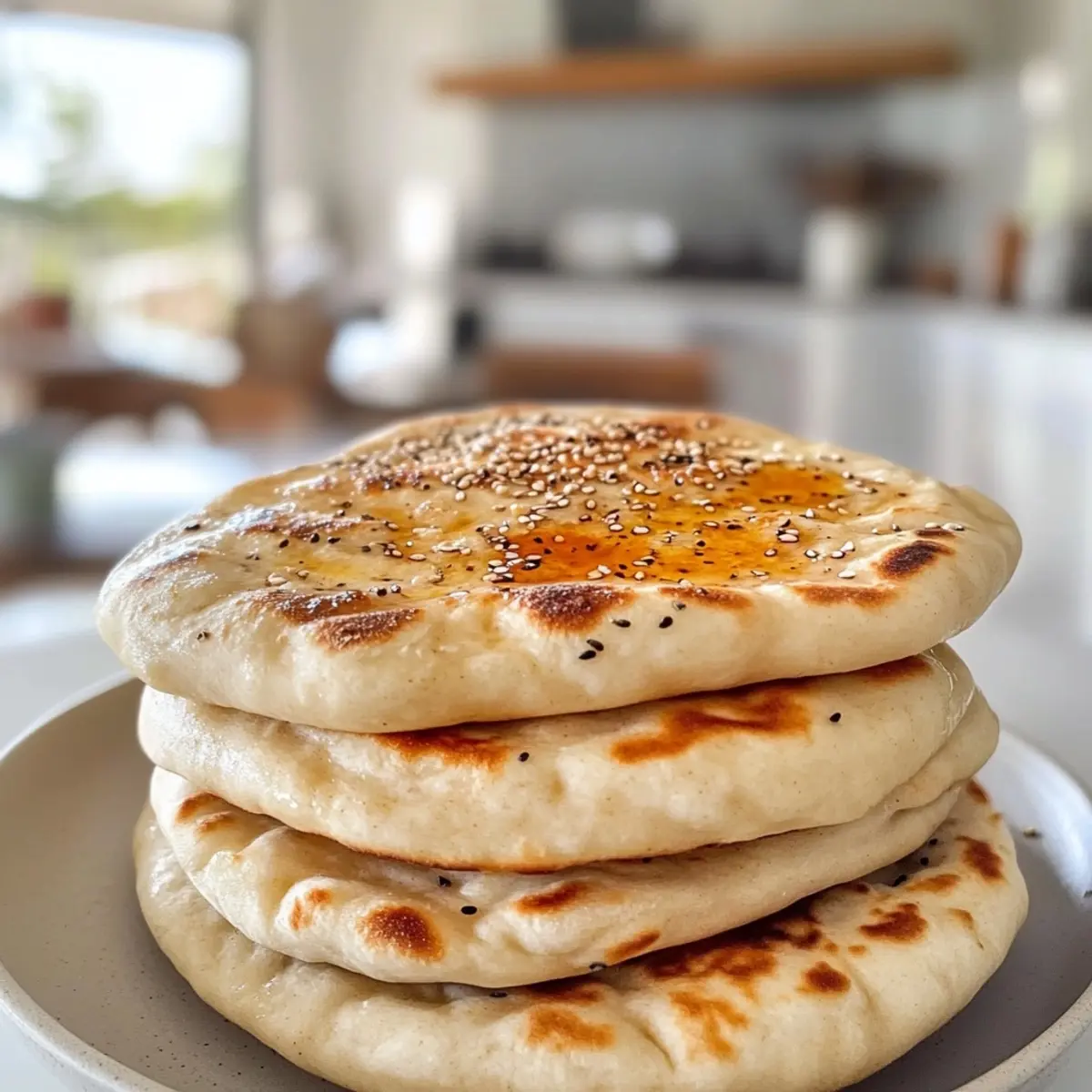
What to Serve with Lebanese Pita Bread?
There’s nothing quite like pairing warm, fluffy Lebanese Pita Bread with delicious accompaniments to create a memorable meal.
- Hummus: This creamy chickpea dip is a classic choice; its rich flavors and smooth texture perfectly complement the soft pita.
- Baba Ghanoush: Smoky and savory, this eggplant dip brings depth to your meal. Scoop it up with pita and enjoy the delightful contrasts.
- Falafel: Crispy on the outside, tender on the inside, these seasoned chickpea balls are perfect for stuffing into pita pockets.
- Tzatziki Sauce: The cool, refreshing yogurt sauce adds a lovely contrast to the warm pita. It’s light and zesty, enhancing every bite.
- Greek Salad: Fresh, vibrant vegetables tossed with olives and feta create a hearty side that balances the meal’s richness.
- Grilled Chicken Skewers: Juicy and flavorful, these skewers are a fantastic protein option to pair with the homemade pita for a filling feast.
- Stuffed Grape Leaves: These savory treats are packed with flavorful rice and herbs, making them a delightful companion for your pita experience.
- Minted Lemonade: Cool and refreshing, this drink balances the meal’s flavors, making it even more enjoyable.
Imagine enjoying the warm bite of pita bread while savoring the delightful dips and fillings—each pair elevates the experience into something truly special!
Lebanese Pita Bread Variations
Elevate your homemade pita experience by exploring these delightful twists and swaps that are bound to satisfy your taste buds.
- Whole Wheat: Replace half of the all-purpose flour with whole wheat for added nutrition and an earthy flavor.
- Herbed Delight: Incorporate dried herbs like oregano or thyme into the dough for an aromatic, flavorful pita that brings a burst of freshness.
- Spicy Kick: Add a pinch of cayenne pepper or red pepper flakes to the dough for a pleasantly spicy twist, perfect for adventurous eaters.
- Cheesy Pitas: Fold in shredded cheese like feta or mozzarella before shaping your pitas for a gooey surprise that’s simply divine.
- Garlic Infusion: Mix minced garlic or garlic powder into the dough to create pitas with a wonderful savory aroma that’s hard to resist.
- Sweeten the Deal: For a fun dessert option, sprinkle a little cinnamon sugar on the finished pitas for a sweet treat, perfect for snacking.
- Grains and Seeds: Toss in some sesame seeds or ground flaxseed for added texture and a nutty flavor that complements the soft bread.
- Mini Versions: Roll smaller circles to create mini pitas ideal for bite-sized appetizers or party platters. They’re perfect for dipping and serving at gatherings.
Storage Tips for Lebanese Pita Bread
Room Temperature: Store cooled pitas in an airtight container or wrap them in plastic wrap for up to 2 days at room temperature to maintain softness.
Fridge: If you have leftovers, refrigerate them in an airtight container for up to 5 days; reheat in a skillet or microwave to soften.
Freezer: For longer storage, freeze pitas wrapped individually in plastic wrap and then in a freezer bag for up to 2 months.
Reheating: To reheat frozen pitas, thaw at room temperature, then warm in a skillet for about 1 minute per side to restore that irresistible softness.
Expert Tips for Lebanese Pita Bread
- Perfect Yeast: Always check the freshness of your yeast. Using expired yeast can prevent your dough from rising properly.
- Right Temperature: Keep your warm water at 100°F to 110°F. Too hot may kill the yeast, while too cool will delay activation.
- Knead Well: Don’t skip the kneading—it’s crucial for gluten development, resulting in a soft, chewy Lebanese pita bread. Aim for an elastic texture!
- Skillet Heat: Preheat your skillet properly. If it’s not hot enough, the pitas won’t puff up as beautifully; medium-high heat is essential.
- Cooking Time: Remove the pitas from the skillet as soon as they puff and turn lightly golden. Overcooking can lead them to become tough.
- Storage Tips: Allow any leftover pitas to cool completely before storing in an airtight container. They’ll keep fresh for a couple of days at room temperature or longer in the fridge.
Lebanese Pita Bread Recipe FAQs
What type of flour should I use for Lebanese pita bread?
I recommend using all-purpose flour for a soft texture, but you can substitute up to half with whole wheat flour for a nuttier flavor and added fiber. Just keep in mind that this might slightly change the texture and puffing ability.
How do I know if my yeast is still active?
To check the yeast, combine warm water, sugar, and yeast in a bowl. Allow it to sit for about 5-10 minutes. If it becomes frothy and bubbly, your yeast is alive and ready to use! If not, consider trying a new packet to ensure your dough rises properly.
What’s the best way to store leftover Lebanese pita bread?
To keep your pitas fresh, allow them to cool completely before storing them in an airtight container or wrapping them in plastic wrap. At room temperature, they’ll stay soft for up to 2 days. If you want them to last longer, refrigerate them for up to 5 days, or freeze them wrapped individually for up to 2 months.
Can I freeze Lebanese pita bread, and how should I do it?
Absolutely! To freeze, wrap each cooled pita in plastic wrap, then place them in a freezer bag. They can be frozen for up to 2 months. When you’re ready to enjoy them, simply thaw at room temperature and warm them in a skillet for about 1 minute per side to restore their delightful softness.
What should I do if my dough doesn’t rise properly?
If your dough hasn’t risen after 1 hour, it might be due to either using expired yeast or water that was too hot or too cool during activation. To troubleshoot, make sure your yeast is fresh and that the water temperature is between 100°F to 110°F. Additionally, try moving your dough to a warmer spot, or consider gently kneading it and allowing it to rise again.
Are there any dietary considerations with Lebanese pita bread?
Yes, this recipe is vegetarian-friendly! If you’re cooking for someone with gluten sensitivities, keep in mind that traditional pita is made with wheat flour. There are gluten-free flour alternatives available, but the texture and puffing may vary, so be sure to follow specific recipes designed for gluten-free pita. When making it for pets, avoid adding ingredients like salt or sugar that might not be suitable for them.
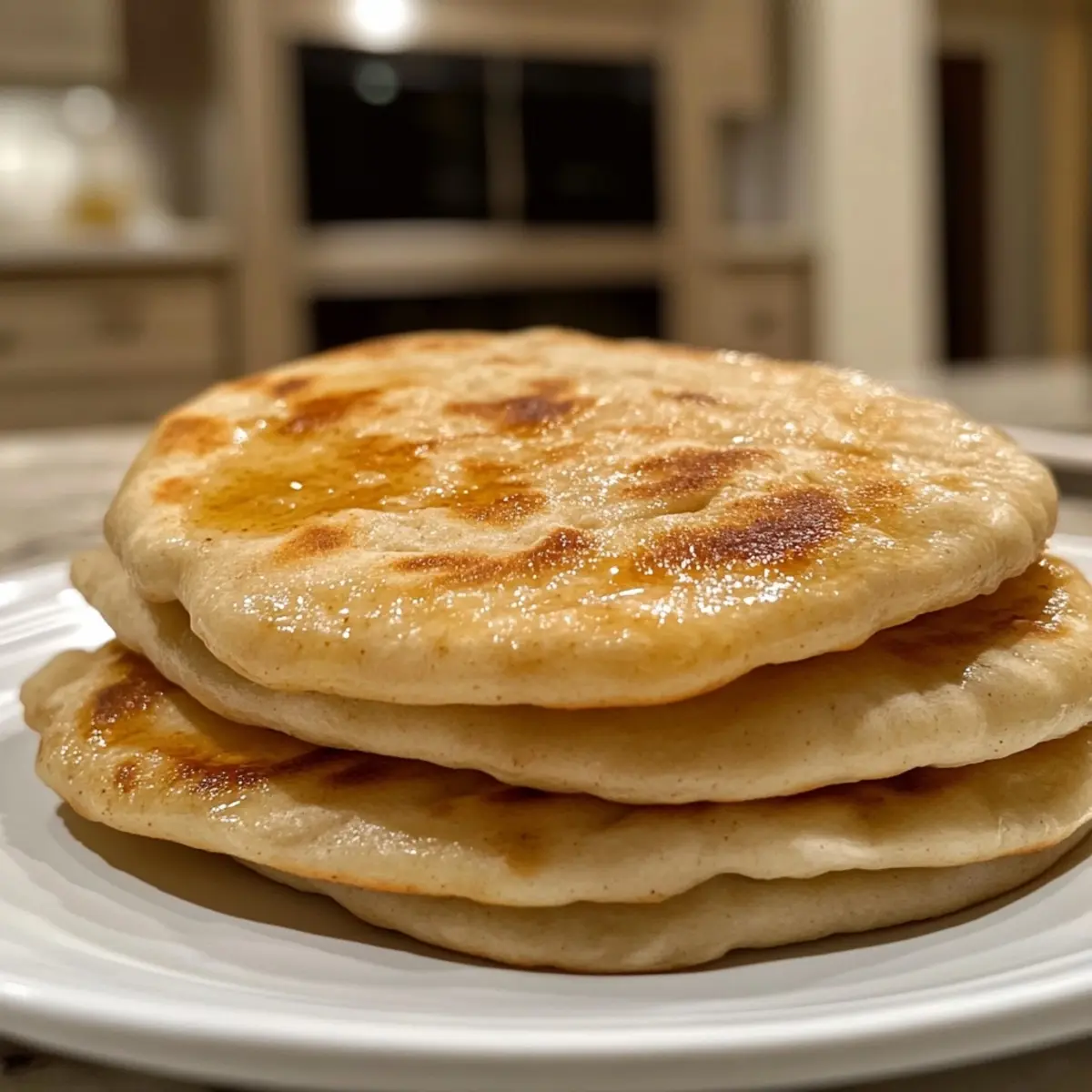
Irresistibly Soft Lebanese Pita Bread You Can Make at Home
Ingredients
Equipment
Method
- In a large mixing bowl, combine warm water, sugar, and yeast. Allow to sit for about 5-10 minutes until frothy.
- Add all-purpose flour, salt, and olive oil to the bowl. Stir until a cohesive dough forms.
- Turn out the dough onto a floured surface and knead for about 8-10 minutes until smooth and elastic.
- Transfer dough to a lightly oiled bowl, cover, and let rise in a warm place for about 1 hour or until doubled.
- Punch down the dough, divide into 8 pieces, and roll each into circles about 1/4-inch thick.
- Heat a skillet over medium-high heat and cook each pita for 1-2 minutes per side until puffed and golden.
- Wrap cooked pitas in a clean kitchen towel to keep warm until serving.
Notes



Leave a Comment