
The first time I tasted Korean Vegetable Pancakes, or Yachaejeon, I knew I had stumbled upon something special. The moment those golden, crispy edges met my lips, I felt like I was in a bustling street market in Seoul, where every bite bursts with a medley of fresh vegetables. Cooking these pancakes is a delightful experience; I can whip them up in no time, making them perfect for a quick snack, a colorful side dish, or even a light, satisfying meal. With simple ingredients that are likely already in your pantry, they’re vegan-friendly and can easily be adapted for gluten-free diets. Paired with a zesty soy dipping sauce, these vibrant pancakes not only satisfy my hunger but also serve as a canvas for seasonal creativity. So, grab your chopping board, and let’s bring the irresistible flavors of Korea into your kitchen!
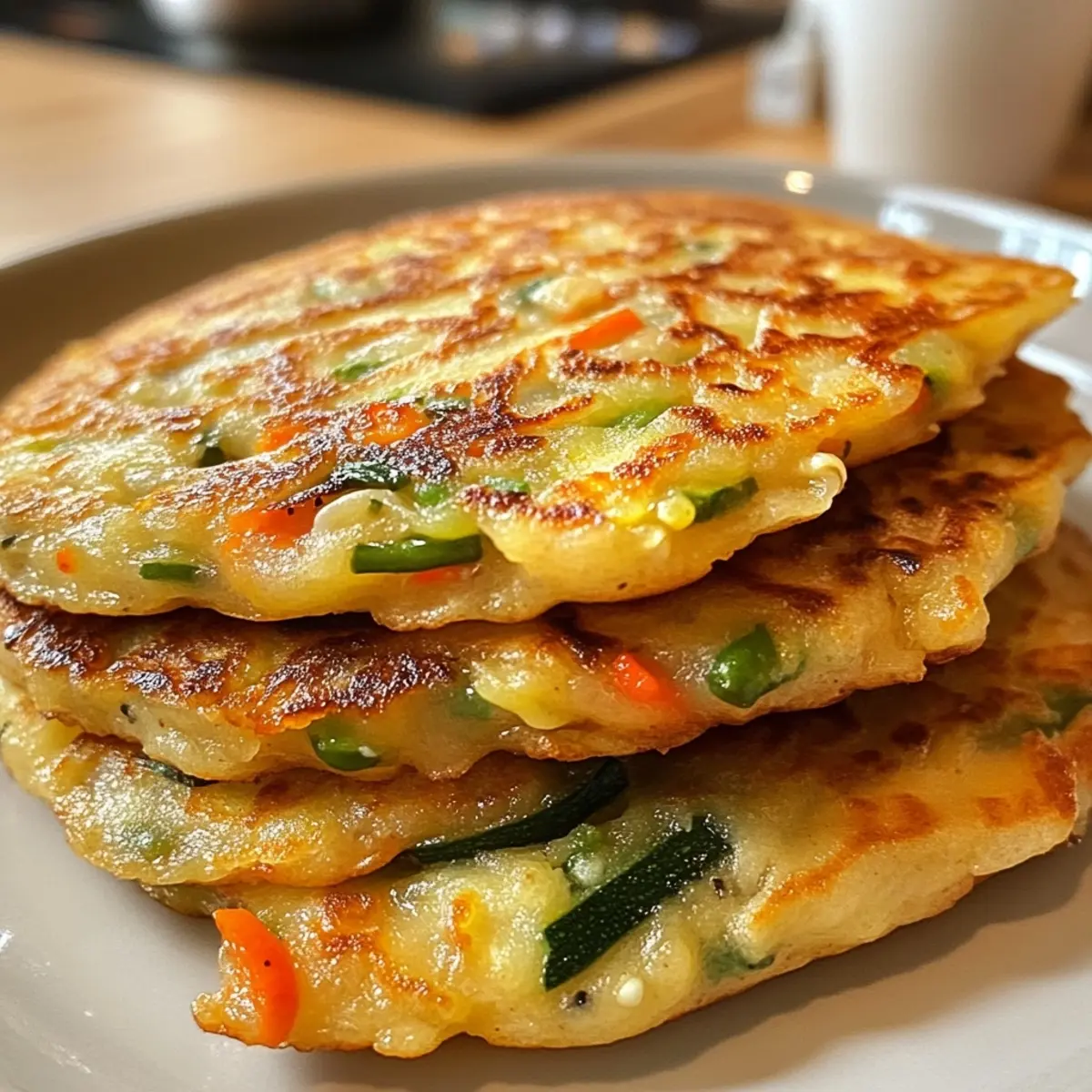
Why are Korean Vegetable Pancakes a Must-Try?
Deliciously Vibrant: Each pancake is a colorful celebration of fresh veggies, making every bite visually appealing and scrumptious.
Quick and Easy: With minimal ingredients and straightforward steps, you’ll be savoring these within minutes!
Flexible Recipe: Feel free to toss in your favorite vegetables for a personalized twist.
Diet-Friendly: Vegan and easily adaptable for gluten-free diets, making them inclusive for all.
Dipping Delight: The accompanying soy sauce enhances the overall flavor and makes for an exciting dipping experience. Try them alongside our Savory Traeger Korean for a full Korean-inspired meal!
Korean Vegetable Pancakes Ingredients
• Get ready to indulge in flavor!
For the Batter
- Flour – Main structure component; use gluten-free flour blend for a gluten-free version.
- Cornstarch – Adds crispiness to the pancakes, ensuring a delightful crunch.
- Water – Hydrates the batter to achieve the perfect consistency for frying.
- Turmeric – Provides a beautiful golden color and a hint of earthy flavor.
- Salt – Enhances the overall taste, bringing the flavors to life.
- Baking Powder – Helps the pancakes rise slightly, contributing to their texture.
For the Vegetables
- Green Onions – Adds freshness and a mild onion flavor that brightens up each bite.
- Red Onion – Contributes a sweet and slightly sharp taste that complements the veggies.
- Carrot – Provides natural sweetness and a satisfying crunch.
- Red Pepper – Introduces vibrant color and a subtle sweetness.
- Cabbage – Adds volume, texture, and more crunch to the pancakes.
- Hot Pepper – Brings a spice and zest that elevates the flavor profile.
For Cooking
- Oil – Necessary for frying, ensuring those crispy edges everyone loves.
For the Dipping Sauce
- Soy Sauce – A key ingredient for umami flavor, enhancing the overall pancake experience.
- Rice Vinegar – Balances the flavors with a nice touch of acidity.
- Toasted Sesame Seeds – Adds a nutty accent that rounds out the dipping sauce.
- Chili Flakes – Provides additional heat, perfect for spice lovers.
- Sesame Oil – Offers a rich, aromatic flavor that ties the sauce together.
These Korean Vegetable Pancakes are not just a recipe; they’re a culinary journey waiting to unfold in your kitchen!
How to Make Korean Vegetable Pancakes
- Prepare Vegetables: Start by washing and slicing your green onions, red onion, carrot, red pepper, and cabbage. Finely chop the hot pepper for a spicy kick that enhances the dish.
- Make Batter: In a mixing bowl, whisk together the flour, cornstarch, turmeric, salt, baking powder, and water until you achieve a smooth and thick batter that clings to the vegetables.
- Combine: Gently fold all prepared vegetables into the batter until they are evenly coated, ensuring that every bite is packed with flavor.
- Prepare Dipping Sauce: In a small bowl, mix the soy sauce, sesame oil, rice vinegar, toasted sesame seeds, and chili flakes. Set this aside to allow the flavors to meld.
- Heat Pan: Heat a drizzle of oil in a non-stick pan over medium heat, allowing it to warm up slightly before cooking the pancakes.
- Cook Pancakes: Spoon a portion of the batter into the pan, spreading it thinly. Cook for about 3-4 minutes until the edges turn golden brown and crisp. Flip to cook the other side until it’s golden as well.
- Repeat: Continue with the remaining batter, adding oil to the pan as needed to ensure crispy pancakes with every batch.
- Serve: Plate the pancakes while they’re hot, drizzling the dipping sauce over or serving it on the side for an extra burst of flavor.
Optional: Add fresh herbs like cilantro for an extra flavor boost!
Exact quantities are listed in the recipe card below.

What to Serve with Korean Vegetable Pancakes?
Creating a vibrant meal around these crispy pancakes transforms your dining experience into a delightful occasion full of fresh flavors.
- Sweet Chili Sauce: This tangy and slightly sweet counterpart adds a delicious contrast to the savory pancakes. A perfect dip for those who enjoy a little extra kick!
- Crispy Tofu: Lightly fried tofu garnished with soy sauce or sesame dressing creates a satisfying protein element. Its texture pairs beautifully with the crunchy pancakes, making for a hearty meal.
- Steamed Rice: A simple bed of fluffy steamed rice balances the meal, soaking up the delightful dipping sauce. It rounds out the dish, offering a comforting base.
- Kimchi: Serving this spicy fermented side brings authentic Korean flavors to the table. Its zesty profile enhances the pancakes, making every bite even more exciting.
- Miso Soup: This warm and savory soup acts as a light start to the meal. Its umami notes complement the pancakes beautifully, creating a delightful contrast.
- Cucumber Salad: Tossed with rice vinegar and sesame oil, this refreshing side adds a crunchy texture and a pop of freshness that harmonizes with the rich flavors of the pancakes.
- Sake or Soju: Pairing your meal with a chilled glass of sake or soju can elevate the experience, bridging the gap between meal and drink with smooth, flavorful tones.
- Chocolate Mousse: For a sweet finish, enjoy a light chocolate mousse. Its rich creaminess provides a luxurious contrast to the savory pancakes, leaving you utterly satisfied.
Korean Vegetable Pancakes Variations
Unlock a world of flavor by customizing your Korean Vegetable Pancakes to suit your taste and dietary needs!
- Gluten-Free: Swap regular flour with a gluten-free flour blend for a delightful, crispy alternative.
- Spicy Kick: Add more hot pepper or a spoonful of chili paste for a fiery burst of heat, if you love a spicy thrill.
- Cheesy Delight: Mix in a bit of shredded cheese, like mozzarella or vegan cheese, for a cheesy twist that adds creaminess.
- Herb Infusion: Incorporate fresh herbs such as cilantro or basil for a fragrant, fresh taste that brightens every bite.
- Mushroom Medley: Replace some vegetables with sliced mushrooms for an earthy flavor and meaty texture that takes these pancakes to another level.
- Sweet Surprise: Add grated zucchini or sweet potato for a hint of natural sweetness that complements the other veggies beautifully.
- Nutty Addition: Toss in a handful of chopped nuts or seeds, like walnuts or sunflower seeds, to create an added crunch and nutty flavor.
- Colorful Mix: Use a variety of colorful veggies like yellow squash or purple cabbage to make your pancakes as visually stunning as they are delicious!
Feel free to mix and match these variations, and make this dish a true reflection of your culinary personality!
How to Store and Freeze Korean Vegetable Pancakes
Fridge: Keep cooked Korean Vegetable Pancakes in an airtight container for up to 3 days. This will help retain their texture and flavor.
Freezer: For longer storage, freeze the pancakes individually on a baking sheet, then transfer to a freezer bag. They can last up to 2 months.
Reheating: To restore crispness, reheat pancakes in a skillet over medium heat for 2-3 minutes per side until warmed through. Avoid microwaving, as it can make them soggy.
Make-Ahead: You can prepare the batter and chopped vegetables a day in advance. Just cook the pancakes fresh before serving for the best texture and taste.
Expert Tips for Korean Vegetable Pancakes
- Prep Ahead: Prepare your vegetables and batter in advance, but cook them right before serving for ultimate crispiness.
- Pancake Size Matters: Make smaller pancakes for easier flipping and even cooking. This way, you won’t have to worry about breakage!
- Crispiness Check: Avoid overcrowding the pan; give each pancake space to sizzle and crisp up. This will keep your Korean Vegetable Pancakes from becoming soggy.
- Adjust Thickness: If batter is too thick, add a bit more water to get a smooth consistency that clings to the veggies without being too runny.
- Finishing Touch: Serve with a sprinkle of fresh herbs or additional chili flakes for a personalized touch that elevates the flavors even more.
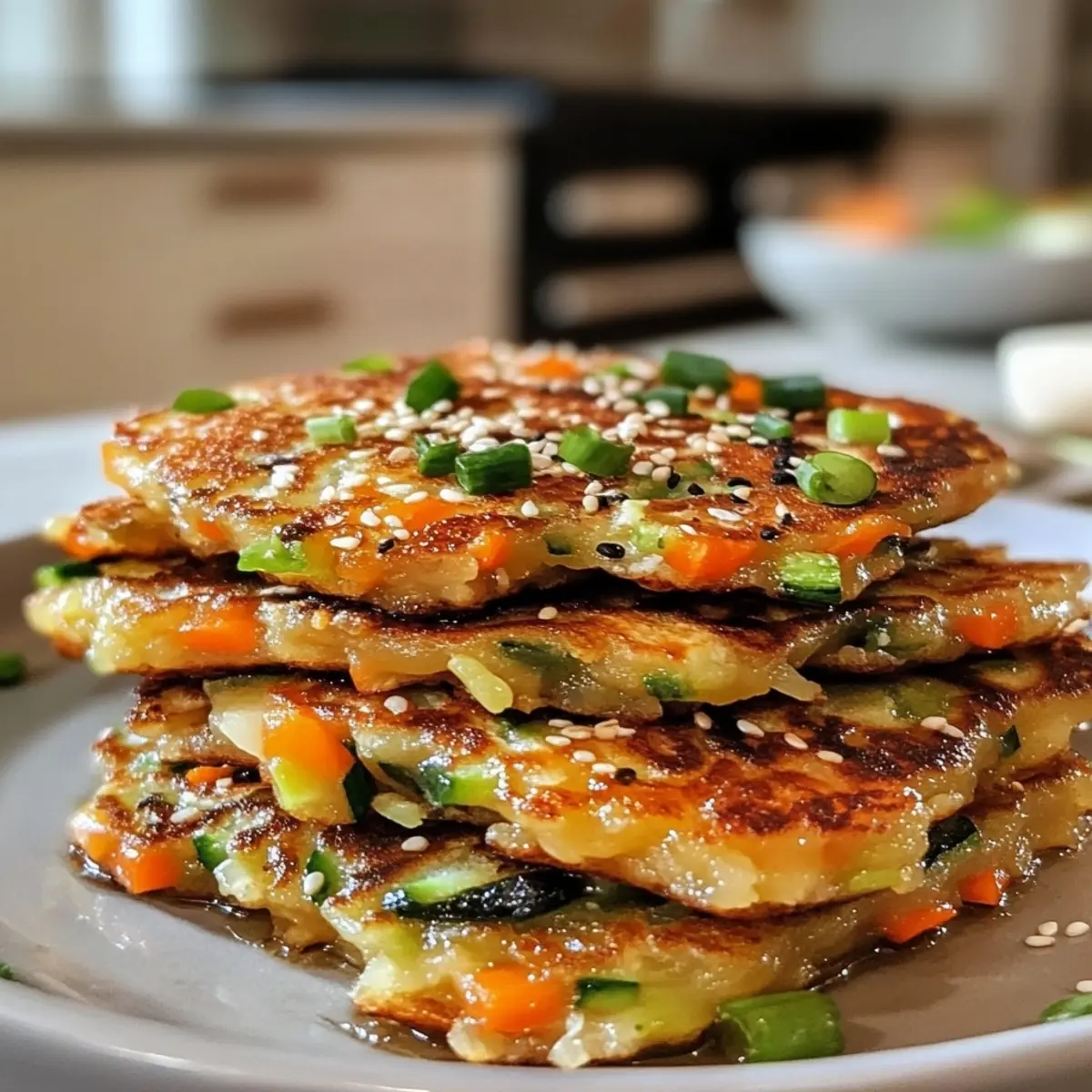
Korean Vegetable Pancakes Recipe FAQs
How do I choose the best vegetables for my Korean Vegetable Pancakes?
Absolutely! Freshness is key when selecting vegetables. Look for vibrant colors and firm textures. Vegetables like green onions, red peppers, and carrots should have no dark spots or wilting. For a twist, you can even add seasonal vegetables, keeping a mindful eye on their ripeness and flavor profiles.
What’s the best way to store leftover Korean Vegetable Pancakes?
Very! Store your cooked pancakes in an airtight container in the refrigerator for up to 3 days. Ensure they’re completely cooled before sealing to prevent moisture buildup, which can lead to sogginess. Reheat them in a skillet to revive their delightful crunch!
Can I freeze Korean Vegetable Pancakes? If so, how?
Of course! To freeze, start by laying the pancakes flat on a baking sheet and placing them in the freezer until they’re solid—about 1-2 hours. Then, transfer them to a freezer-safe bag or container, where they can be kept for up to 2 months. When ready to enjoy, reheat them directly from the freezer in a skillet for about 2-3 minutes on each side until crispy.
What should I do if my pancakes are soggy after cooking?
Don’t fret! If your pancakes end up soggy, it might be due to overcrowding the pan. Make sure to give each pancake enough space to crisp properly. If they’re already cooked, try placing them on a cooling rack after frying so any steam escapes. For future batches, consider frying them longer on medium heat, adjusting your cooking time for thinner pancakes.
Are Korean Vegetable Pancakes safe for pets or those with allergies?
Definitely a great question! While Korean Vegetable Pancakes can be a healthy choice for humans, they often contain ingredients like onions which can be toxic to pets like dogs and cats. Always check for allergies, especially with ingredients such as wheat in flour. If you’re making these for someone with allergies, consider using gluten-free flour and double-check the other ingredients to ensure they are safe for everyone at the table.
How long can I keep the dipping sauce for my Korean Vegetable Pancakes?
I recommend storing the dipping sauce in an airtight container in the refrigerator. It should stay fresh for about 1 week. If you notice any separation, give it a quick stir before serving, ensuring that the delightful flavors are evenly mixed once again!
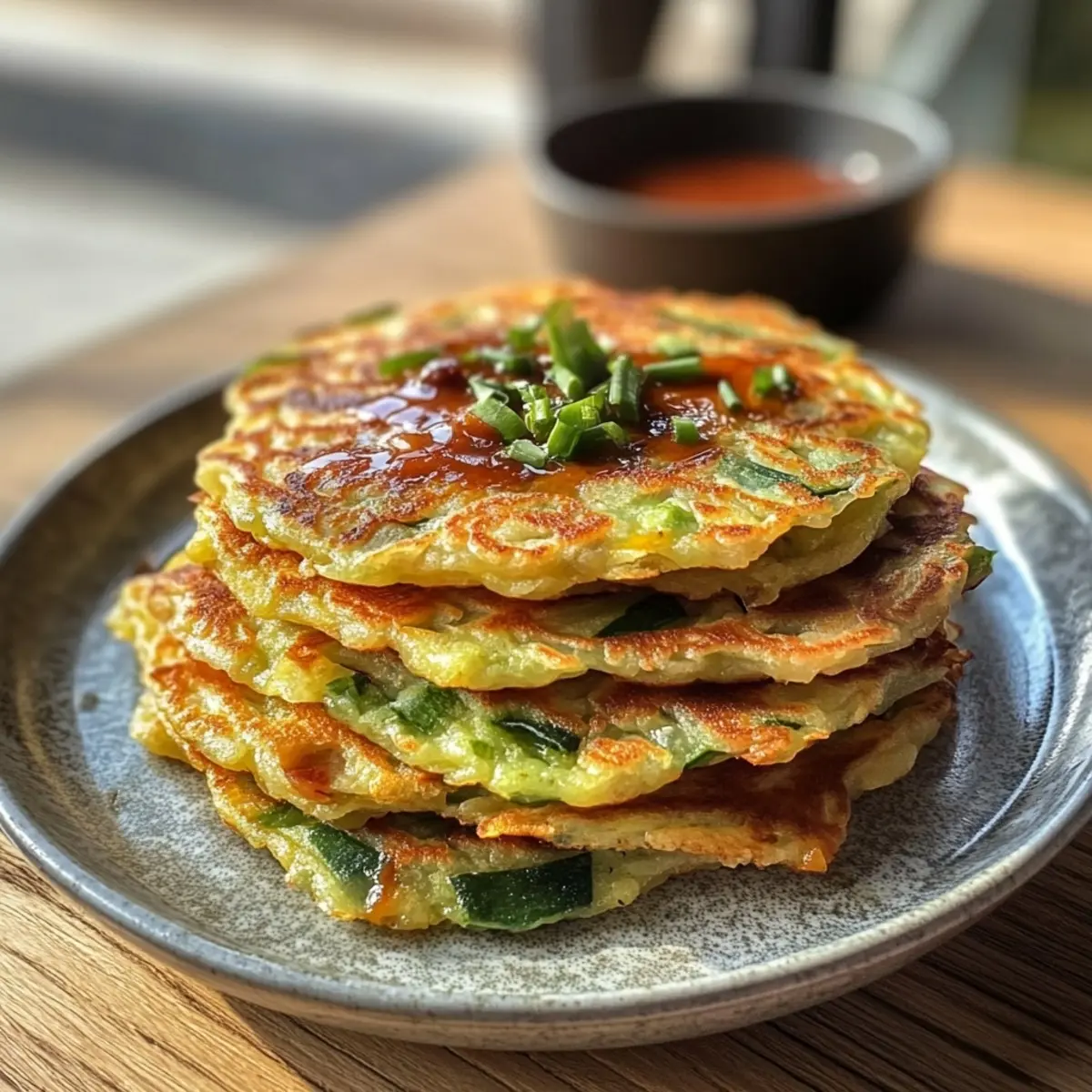
Crispy Korean Vegetable Pancakes You’ll Crave Every Time
Ingredients
Equipment
Method
- Start by washing and slicing your green onions, red onion, carrot, red pepper, and cabbage. Finely chop the hot pepper for a spicy kick that enhances the dish.
- In a mixing bowl, whisk together the flour, cornstarch, turmeric, salt, baking powder, and water until you achieve a smooth and thick batter that clings to the vegetables.
- Gently fold all prepared vegetables into the batter until they are evenly coated, ensuring that every bite is packed with flavor.
- In a small bowl, mix the soy sauce, sesame oil, rice vinegar, toasted sesame seeds, and chili flakes. Set this aside to allow the flavors to meld.
- Heat a drizzle of oil in a non-stick pan over medium heat, allowing it to warm up slightly before cooking the pancakes.
- Spoon a portion of the batter into the pan, spreading it thinly. Cook for about 3-4 minutes until the edges turn golden brown and crisp. Flip to cook the other side until it's golden as well.
- Continue with the remaining batter, adding oil to the pan as needed to ensure crispy pancakes with every batch.
- Plate the pancakes while they're hot, drizzling the dipping sauce over or serving it on the side for an extra burst of flavor.
Notes


Leave a Comment